
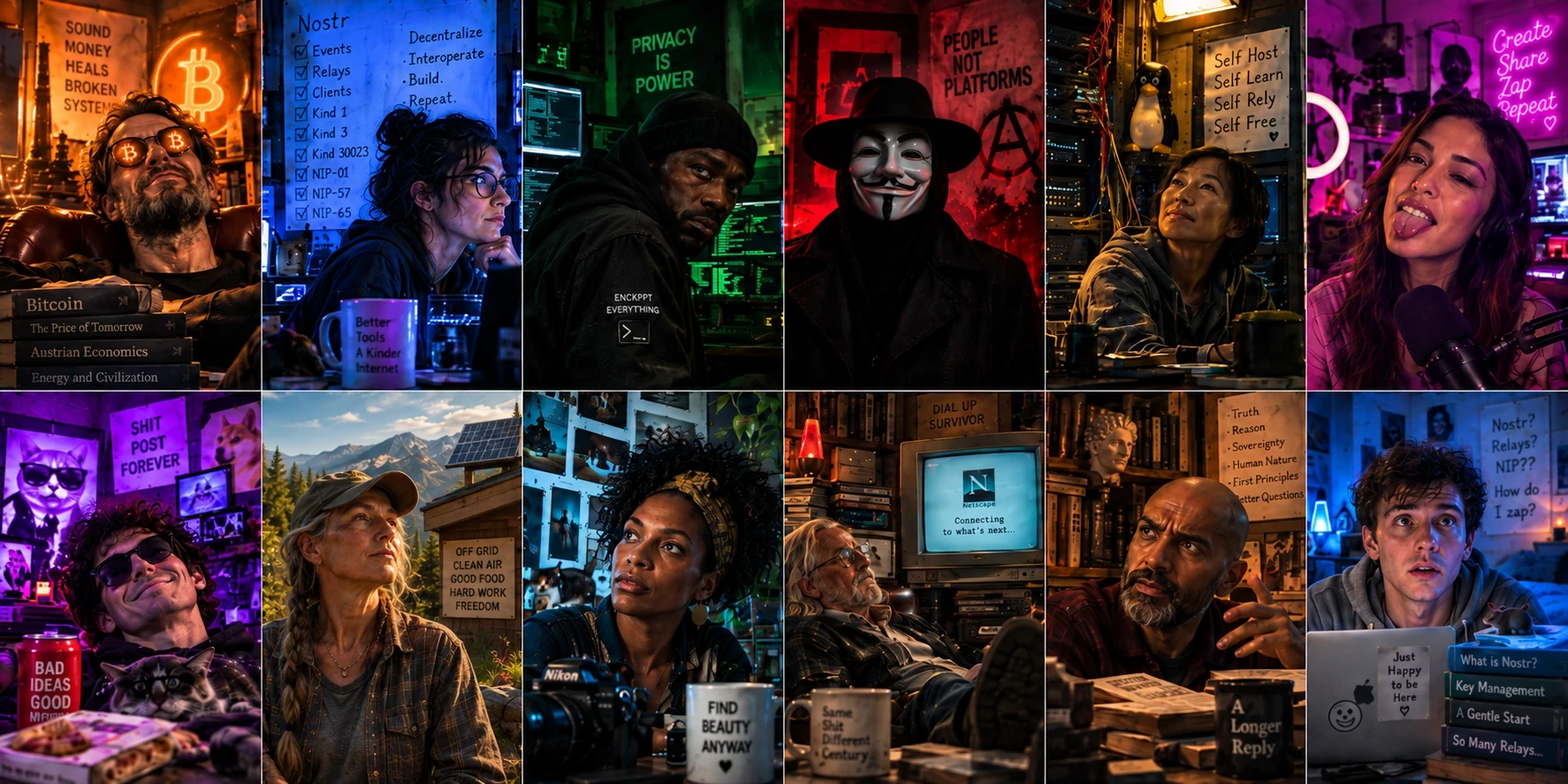
Spend enough time on Nostr and the place starts developing recurring characters.
Not specific people. Types.
You begin recognizing them before you recognize the account.
The Bitcoin guy with the orange avatar. The protocol developer who hasn’t slept since NIP-19. The privacy person who considers your browser choice a moral failure. The old internet guy quietly watching everyone rediscover things IRC solved in 1998.
Nostr is still small enough that personalities matter. That is probably one of its better features.
Large social networks eventually sand everybody down into content categories. Nostr still feels like somebody opened the doors to an unfinished warehouse, turned on a few relays, and invited hackers, artists, farmers, Bitcoiners, photographers, programmers, cranks, builders and one completely normal person who is now very confused.
These are twelve people you will eventually meet.
Probably more than once.
1. The Bitcoin Maximalist

You could post a photograph of a beautiful sunset over the Pacific.
He sees monetary debasement.
A dog gets rescued from a drainage pipe.
Fiat caused this somehow.
Somebody asks whether anyone knows a good recipe for sourdough.
Hard money.
He doesn’t necessarily bring Bitcoin into every conversation intentionally. At this point the conversion happens somewhere below conscious thought.
The Bitcoin maximalist is one of the native species of Nostr because Bitcoin and Nostr share a lot of cultural plumbing: self-custody, distrust of centralized intermediaries, open protocols, keys, sovereignty, censorship resistance and an unusually high tolerance for staring at QR codes.
Some are thoughtful.
Some are brilliant.
Some have been having the exact same argument since 2017 and will continue having it after the sun expands and consumes the Earth.
You will eventually learn the dialect.
“Study Bitcoin.”
“Few.”
“Stay humble.”
“Stack sats.”
The remarkable thing is that sometimes underneath all the repetition is somebody who actually understands money, cryptography, economics, mining, energy markets or network incentives extremely well.
Other times it is a man with a laser-eyed profile picture telling a plumber in Ohio that grocery inflation can be traced directly to Richard Nixon.
Both are part of the ecosystem.
2. The Nostr Protocol Nerd
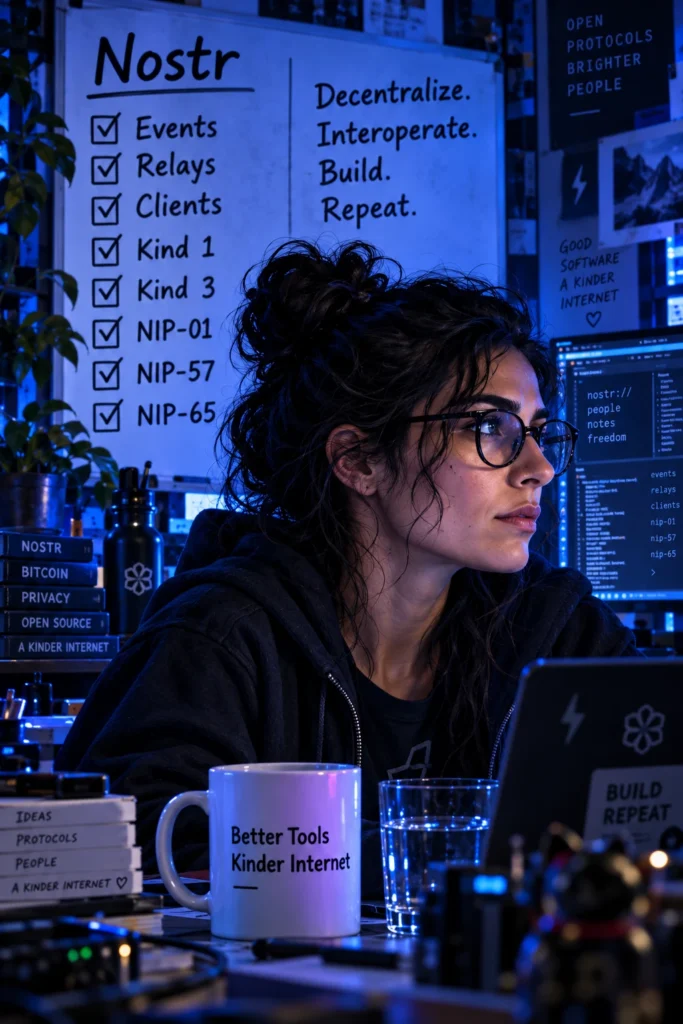
This person does not use Nostr.
They inspect it.
You say:
My follows disappeared.
They say:
What kind 3 did your client publish?
You say:
I don’t know.
A small part of them dies.
The protocol nerd knows the difference between an npub, a hex pubkey, a relay hint, an event tag and whatever new thing somebody proposed three days ago that has already generated six competing implementations.
They have opinions about NIPs.
Not casual opinions.
The kind of opinions normally reserved for zoning disputes and inheritance battles.
You will see conversations where two otherwise reasonable adults spend forty-five replies debating whether a behavior belongs in a client, a relay or the protocol itself.
Do not interfere.
This is how standards are made.
These people are also the reason Nostr keeps becoming more useful instead of remaining a fascinating purple terminal experiment for twelve guys.
When something breaks, they can usually tell you why.
Unfortunately, the explanation may contain the phrase “replaceable event semantics.”
You asked for this.
3. The Hacker / Cypherpunk
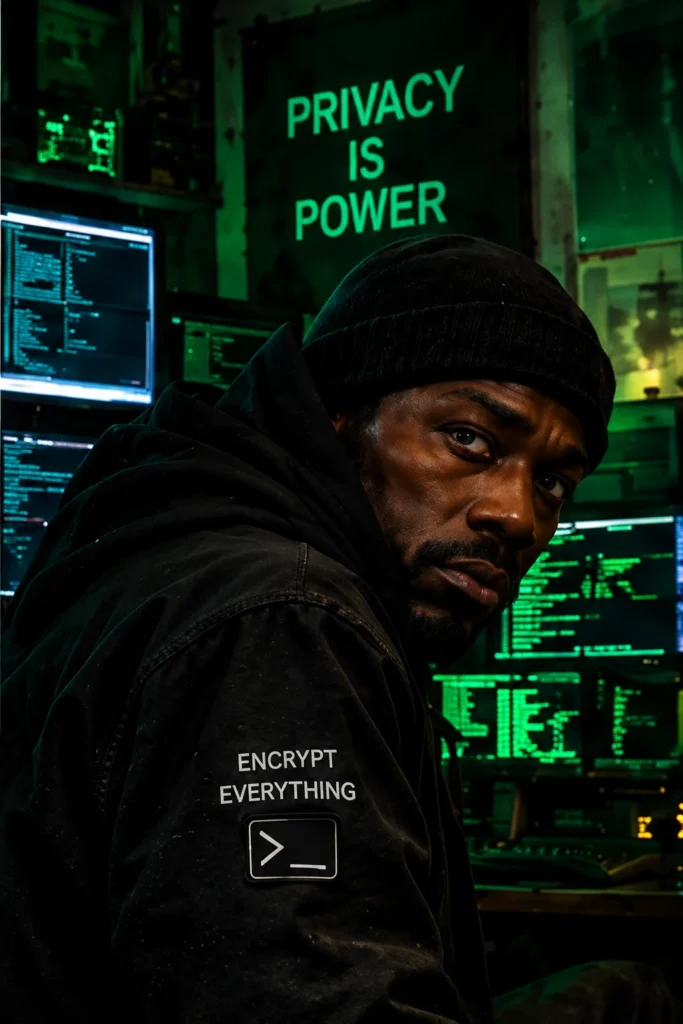
You do not know his real name.
This is intentional.
His profile picture might be a skull, a historical figure, an obscure piece of ASCII art, a satellite dish, a cat, or nothing.
He has been thinking about privacy longer than you have been thinking about the application currently requesting access to your contacts.
The hacker/cypherpunk does not necessarily distrust you personally.
He distrusts systems.
Governments.
Corporations.
Cloud dashboards.
Phone numbers.
Identity providers.
Browser telemetry.
JavaScript from domains he did not personally compile yesterday afternoon.
This person can occasionally sound insane right up until six months later when the thing they warned about appears in a headline.
Then they become annoying in an entirely different way.
Nostr attracts this personality naturally because the protocol begins with a premise the cypherpunk understands immediately:
Your identity can be a key.
You don’t need permission to create it.
That is approximately enough information to make this person disappear into a terminal for four days.
They may return with software.
Documentation is less certain.
4. The Anonymous Guy Fawkes Type
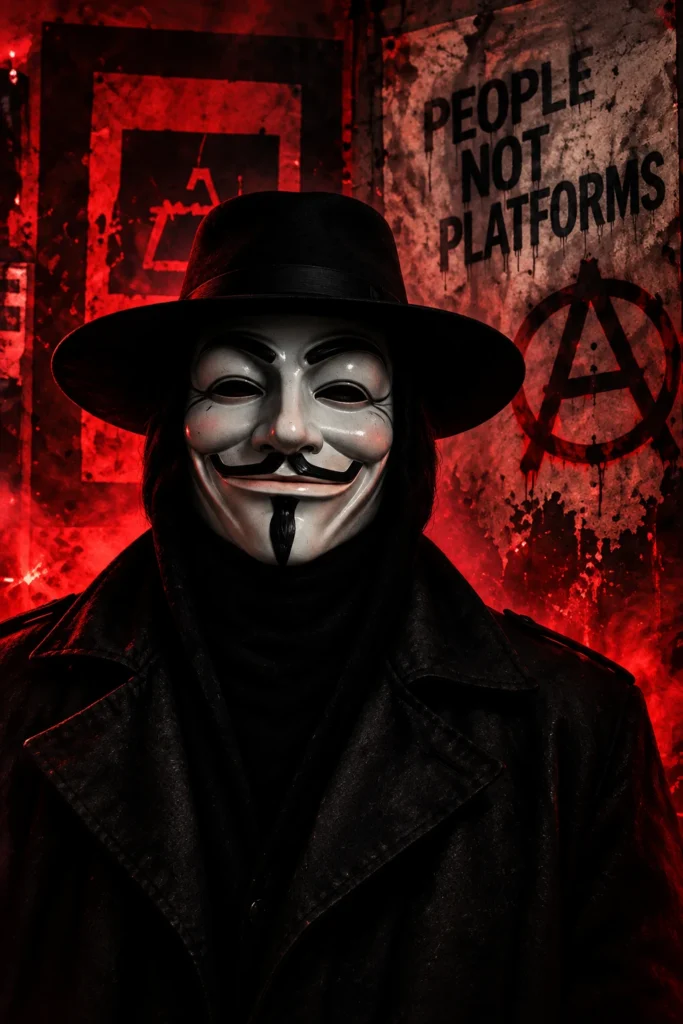
Different animal.
The hacker may simply value privacy.
This guy has aesthetic commitments.
Guy Fawkes mask.
Black-and-white imagery.
Anonymous references.
Possibly some Latin.
A bio that makes you suspect a government somewhere has been formally placed on notice.
He posts like every message may later become Exhibit A.
Sometimes he’s deeply informed about censorship, surveillance, propaganda and civil liberties.
Sometimes he is reposting an image of a wolf with the words:
THEY FEAR THOSE WHO THINK.
The line between dissident and Facebook uncle can become technically difficult to establish.
Still, this personality fits Nostr unusually well.
Pseudonymity feels natural here. There is no requirement that an account resolve into a LinkedIn profile, employer, verified badge and smiling photograph taken against an office wall.
You can simply be an identity.
That brings good things.
It also brings somebody named SOVEREIGN_GHOST_1776 explaining geopolitics at 3:14 in the morning.
Open networks contain multitudes.
5. The Linux / Self-Hosting Hermit
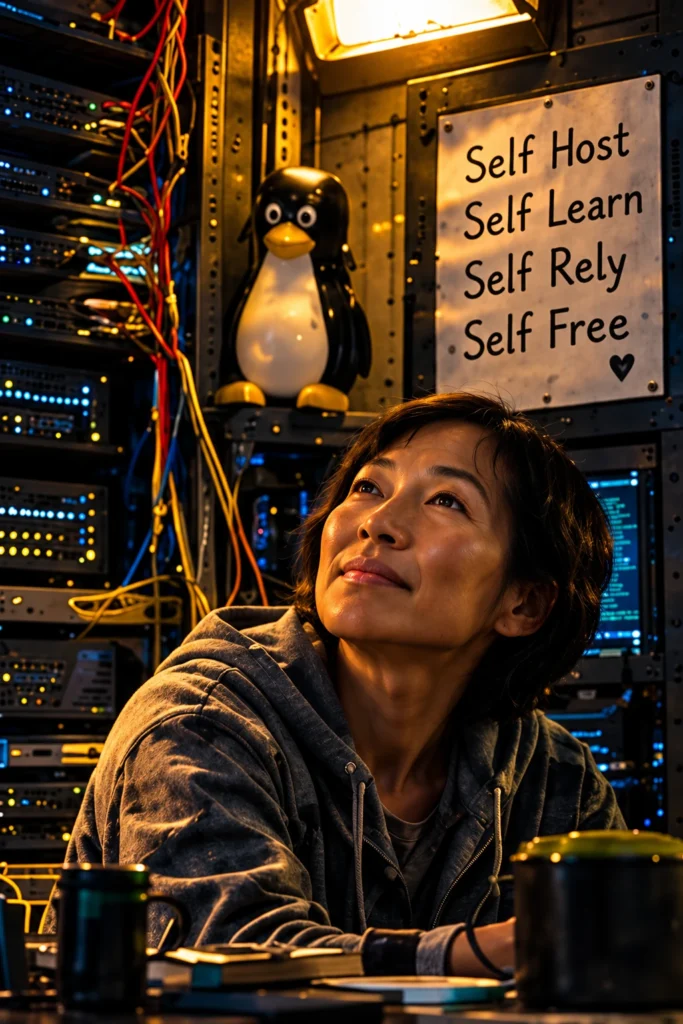
You use Gmail.
He has a mail server.
You use Dropbox.
He has Syncthing.
You use Spotify.
He has 14 terabytes of FLAC files and a Jellyfin instance with a hostname based on a Tolkien character.
You ask:
Where is your website hosted?
There is a pause.
Here.
“Here” means approximately six feet away from him.
The self-hosting person sees every service as a future weekend project.
Sometimes this saves money.
Sometimes he spends $680 replacing three subscriptions that collectively cost $14.99 a month.
This is not the point.
The point is that he owns the box.
Nostr makes immediate sense to these people because relays look less like mystical infrastructure and more like another daemon they could probably run on an old mini PC in the closet.
They have opinions about Docker.
They have stronger opinions about Docker Compose.
One of them is currently writing a 900-word reply explaining why systemd isn’t actually the problem.
Nobody asked.
I read it anyway.
6. The YouTuber / Independent Creator
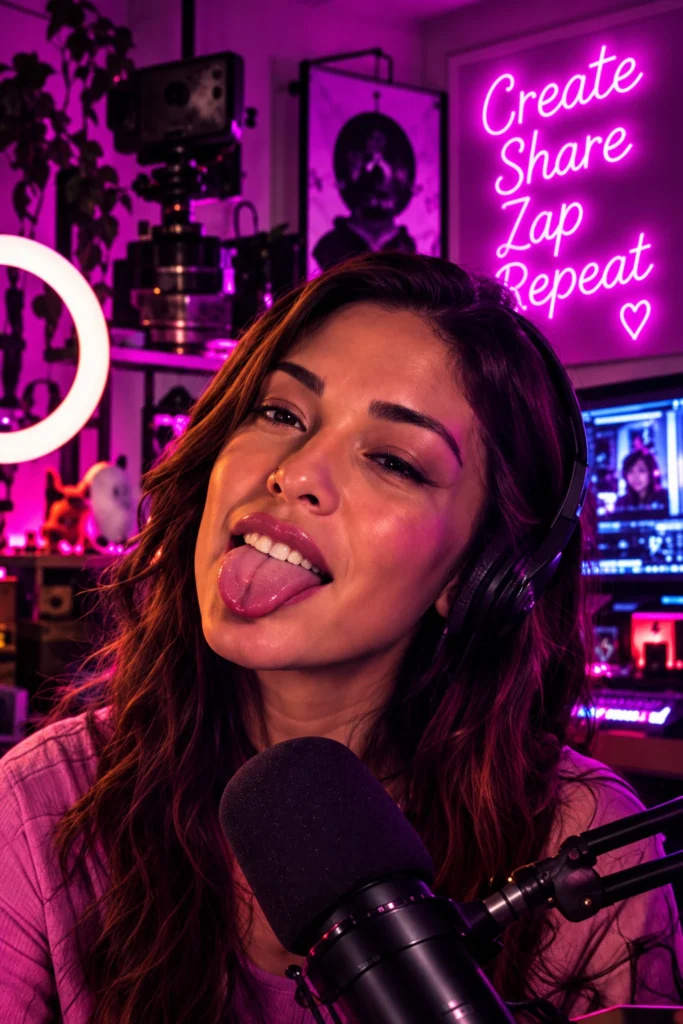
You can identify the creator because the lighting in his room is better than the lighting in your entire house.
Microphone.
Camera.
Acoustic treatment.
A suspiciously clean shelf containing three books placed at angles no human being has ever naturally stored a book.
But the independent creator has a legitimate reason to be interested in Nostr.
Platform dependence sucks.
Spend years building an audience on somebody else’s website and eventually you realize that your connection to those people is conditional.
An algorithm changes.
Reach falls.
A channel gets demonetized.
Some automated system decides your perfectly ordinary video about vintage lawn equipment contains dangerous content.
Now you are appealing to a dropdown menu.
Nostr presents a different idea.
The creator can establish an identity and social graph that aren’t entirely contained inside one company’s account database.
That’s attractive.
The difficult part is explaining Nostr to an audience whose normal relationship with technology is:
I clicked Subscribe.
So the creator spends fifteen minutes explaining public keys.
Half the audience leaves.
Three people become relay operators.
This is how it spreads.
7. The Meme Lord / Shitposter
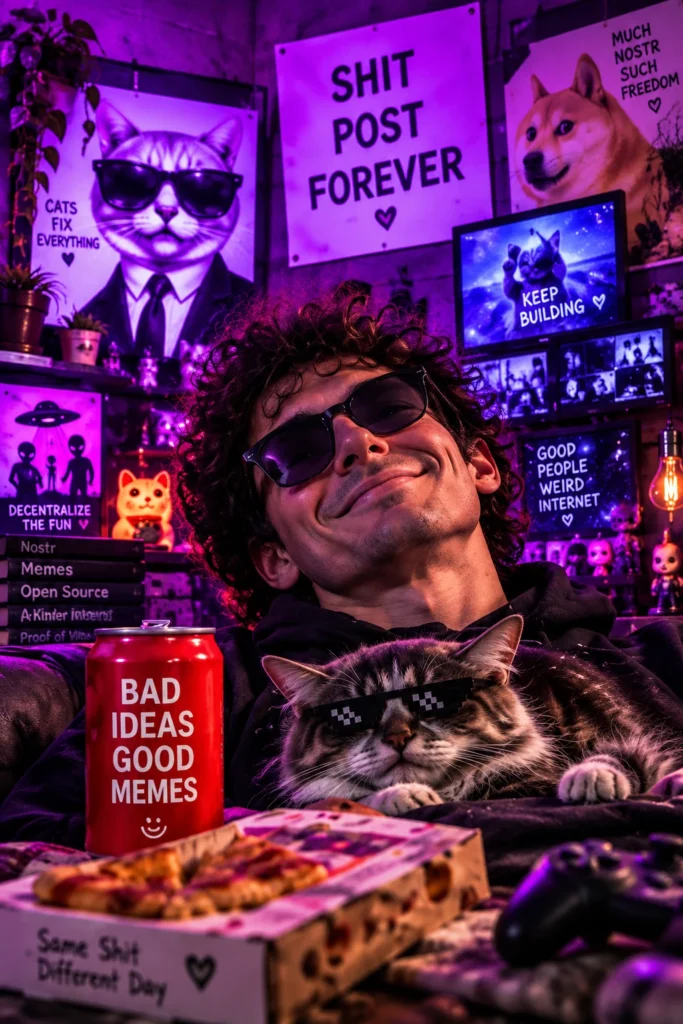
Do not underestimate this person.
They appear useless.
That is part of the camouflage.
While everybody else is discussing decentralized identity, censorship resistance and protocol design, the shitposter has taken a screenshot of the conversation, added a raccoon holding a handgun, written “NIP-420 IMPLEMENTATION COMPLETE” across the top, and received more engagement than the entire technical discussion combined.
Civilizations need these people.
Without them, every social network eventually becomes a conference hallway.
The good shitposter understands timing.
They know the recurring personalities.
They know which arguments happen every week.
They know which technical failure can be converted into an image before the developer who caused it has finished writing the apology.
This is cultural infrastructure.
Very stupid cultural infrastructure.
Still infrastructure.
The danger is becoming the person who can no longer communicate except through memes.
At that point somebody asks whether you are coming to dinner and receives a photograph of Michael Saylor glowing over a medieval battlefield.
Seek help.
8. The Homesteader / Off-Grid Bitcoiner
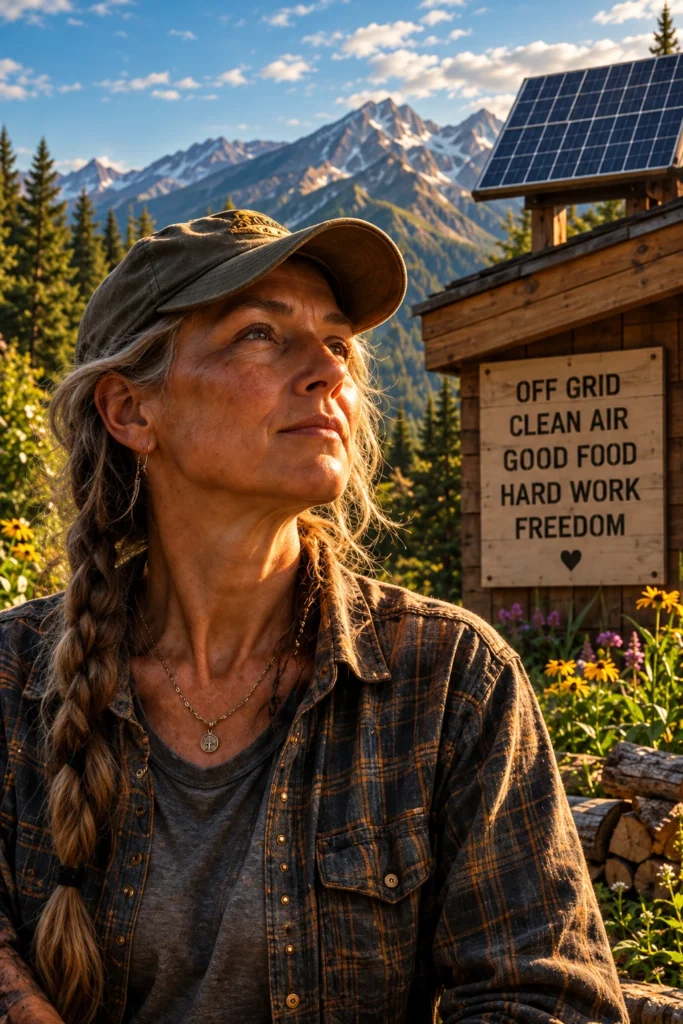
This guy has chickens.
This is important.
Nostr somehow contains a surprisingly strong population of people who can explain both multisignature Bitcoin wallets and the correct depth for a fence post.
They are not theoretical decentralization people.
They already moved somewhere with three neighbors and intermittent cellular service.
Solar panels.
Garden.
Tools.
Possibly goats.
Definitely a generator that has developed a personality.
The off-grid Bitcoiner looks at the normal modern stack—bank account, subscription services, centralized platforms, cloud storage, corporate employment, grocery supply chain—and begins removing dependencies one at a time.
Eventually he is standing in a field holding a phone running a Nostr client while a chicken attacks his boot.
There is something strangely coherent about it.
Digital sovereignty meets actual dirt.
Also, if civilization collapses, follow these people.
The protocol developer cannot help you with potatoes.
9. The Artist / Photographer
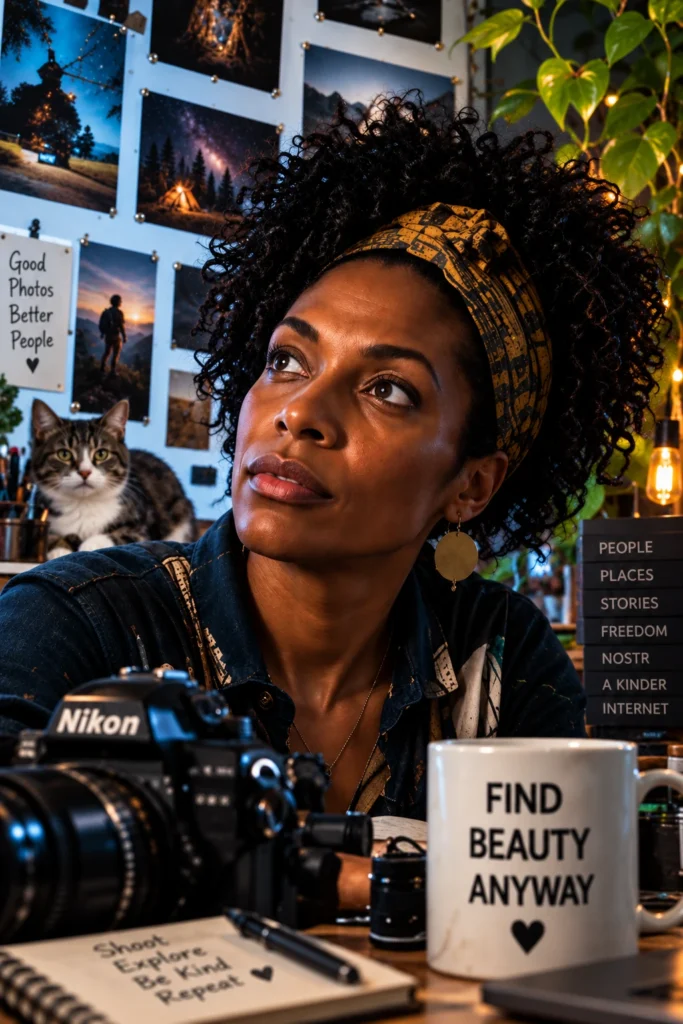
Thank this person.
Without artists and photographers, Nostr would contain approximately eleven million screenshots of terminal windows.
The artist arrives carrying color into a culture that occasionally seems convinced dark mode is a personality.
Photography works particularly well on Nostr because images don’t need much explanation.
A storm.
A street.
Somebody’s dog.
A weird building.
A portrait.
A sunrise from somewhere you will never visit.
Suddenly the feed feels inhabited by humans again.
Artists also test whether a network can become something larger than its founding technical culture.
A protocol can begin with developers.
It cannot stay there forever.
If Nostr is going to matter as a social place, it has to contain people who do not wake up thinking about relays.
Someone has to paint the thing.
Someone has to photograph the people.
Someone has to make the interface look less like a router configuration screen.
Let them work.
10. The Old Internet Veteran
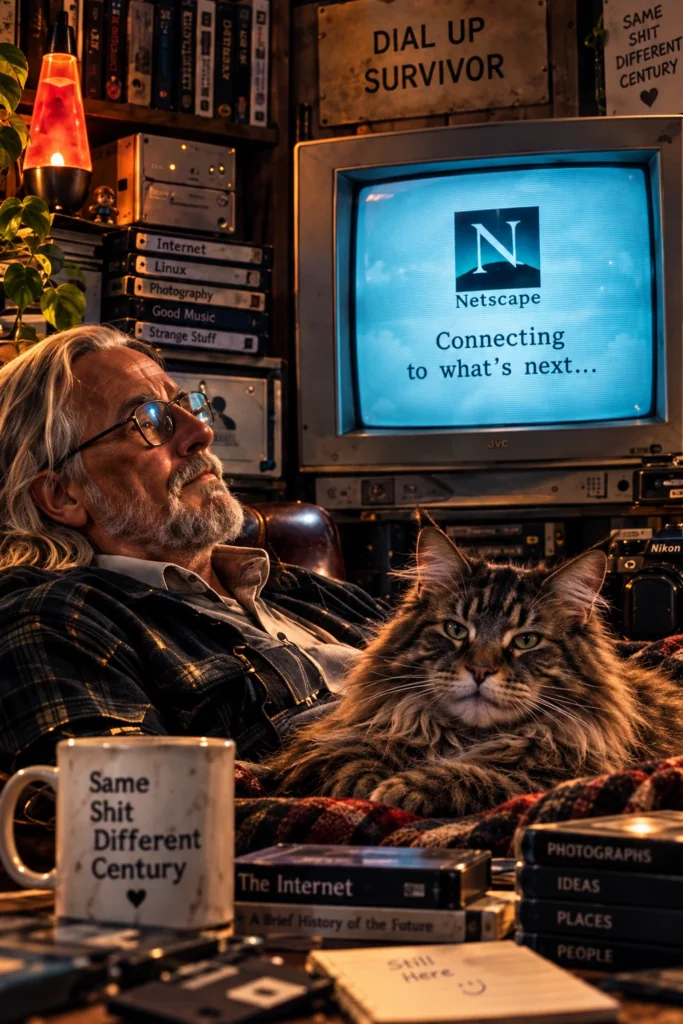
You can recognize him by the thousand-yard stare he gets when somebody announces a revolutionary new decentralized chat room.
He has seen chat rooms.
He has seen all the chat rooms.
BBS.
Usenet.
IRC.
ICQ.
Forums.
Jabber.
RSS.
Blogs.
Message boards run by a dentist in Nebraska.
Personal websites containing twelve megabytes of animated GIFs and more useful information than half the modern web.
The old internet veteran doesn’t hate new technology.
He is simply difficult to impress.
You say:
Nostr lets anybody run infrastructure.
He nods.
Good.
You can use multiple clients.
Better.
Your identity isn’t trapped inside one company.
Now he’s listening.
The reason Nostr sometimes appeals strongly to older internet people is that parts of it feel less like a futuristic social network and more like a recovery operation.
Protocols.
Clients.
Servers.
Keys.
Independent implementations.
Different interfaces accessing the same underlying world.
The internet used to contain much more of this.
Then everything became five websites.
The old internet guy remembers.
Unfortunately, he will now explain RSS to you.
You have thirty minutes.
11. The Reply-Guy Philosopher
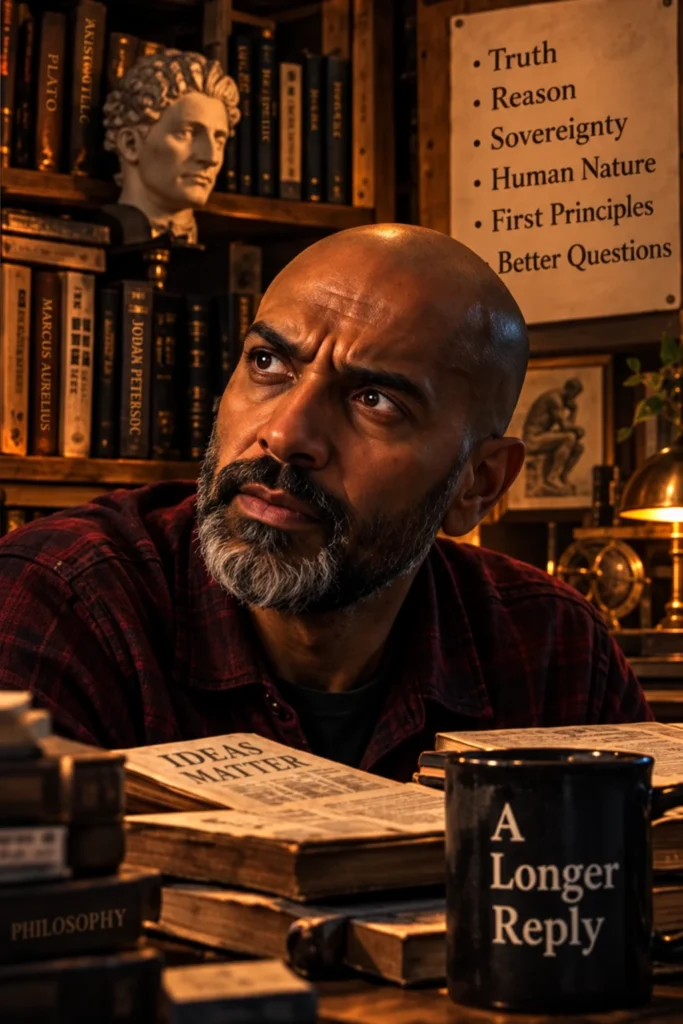
Somebody posts:
Beautiful weather today.
He replies:
Weather is interesting because technically you’re observing a local manifestation of a planetary energy system, but what we call “good weather” is really a culturally mediated preference based on…
Seven paragraphs later, sovereignty has entered the discussion.
Nobody knows exactly where.
This person does not necessarily have bad ideas.
Quite the opposite.
They often have too many ideas, and every post is a hole into which the entire intellectual history of Western civilization may fall.
You mention privacy.
We are discussing Hobbes.
You mention Bitcoin.
Here comes Aristotle.
Someone posts a sandwich.
Property rights.
The reply-guy philosopher is one of the reasons small social networks can be entertaining.
There is enough space for actual conversation to mutate.
Threads wander.
People disagree.
Somebody cites a book.
Somebody else posts a meme.
The original sandwich is forgotten.
Three people follow each other.
This is arguably healthier than an algorithm calculating that the sandwich should be shown to 2.7 million people because sandwiches currently have strong retention metrics.
12. The New Nostr User
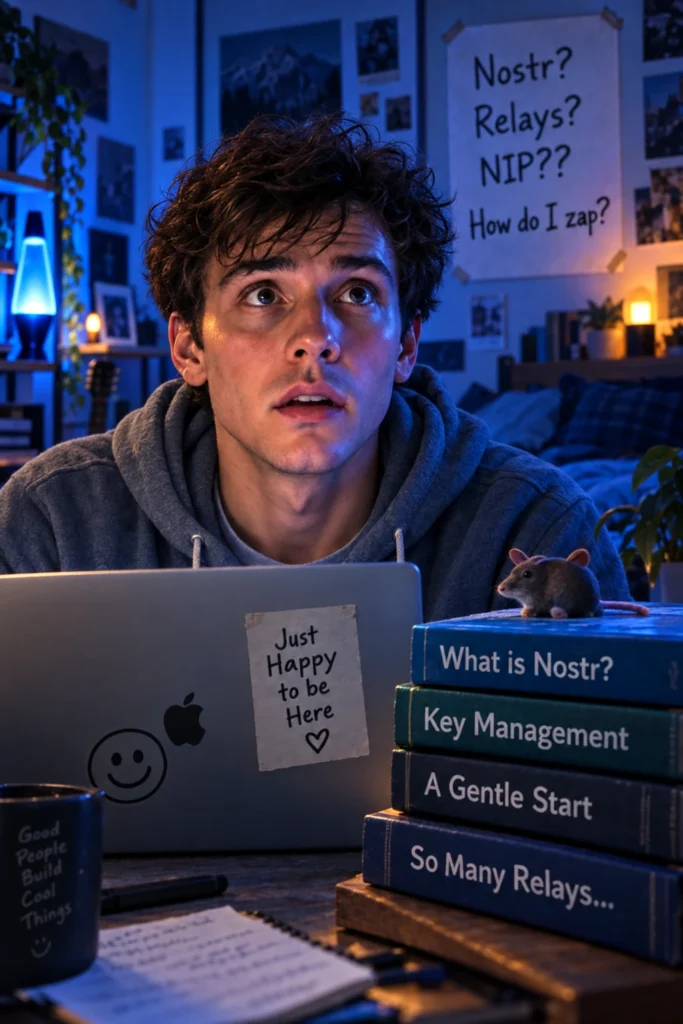
Finally:
You.
Possibly.
The new user arrives with perfectly reasonable expectations formed by every social network built during the last fifteen years.
Then Nostr starts speaking Nostr.
npub
nsec
relay
NIP
zap
kind 1
kind 3
NIP-05
NIP-19
“Which client are you using?”
“Which relays?”
“Back up your keys.”
“Don’t paste that there.”
“GM.”
At some point the new user realizes they accidentally entered a community where normal social behavior and protocol engineering live in the same room.
This can be intimidating.
It can also be one of the interesting parts.
The beginner starts following people.
The feed wakes up.
Somebody replies.
A few accounts become familiar.
A first zap arrives.
Maybe they try another client.
Maybe they discover that one person can move between clients without creating a new identity every time.
That is usually the moment the underlying idea becomes visible.
Then, six months later, this same beginner is replying to somebody else:
Wait. Don’t publish that follow list yet. Did your tool merge the existing kind 3?
The transformation is complete.
Nobody Is Actually One of These
That’s the trick.
The most interesting Nostr users are usually several of them at once.
The homesteader runs Linux.
The photographer is a Bitcoiner.
The protocol developer shitposts.
The anonymous privacy guy turns out to be an excellent painter.
The old internet veteran has a YouTube channel.
Some completely ordinary person quietly runs a relay.
The categories collapse once you know people.
That’s probably healthy.
Nostr is still strange enough that the humans haven’t disappeared behind the platform yet.
You notice them.
Their habits.
Their obsessions.
Their arguments.
Their weird little corners.
That may change if the network becomes enormous.
For now, enjoy the wildlife.